
Product Engineering
SaaS Development Company Building Products That Scale and Sell
From first MVP to enterprise-ready platform, we design, build and scale SaaS products with multi-tenant architecture, subscription billing, analytics and AI features your customers will pay for.
Overview
A product partner for SaaS founders and teams
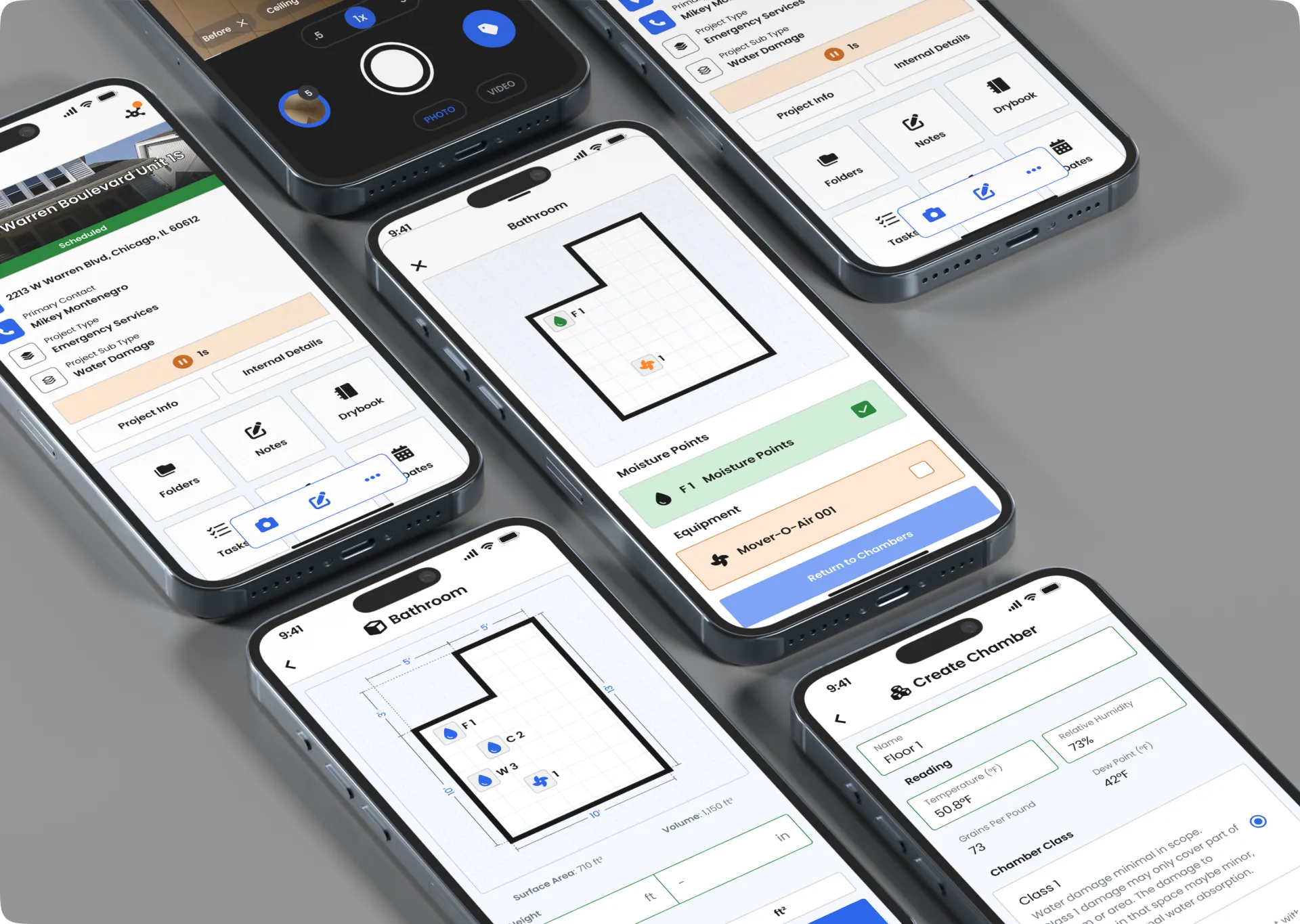
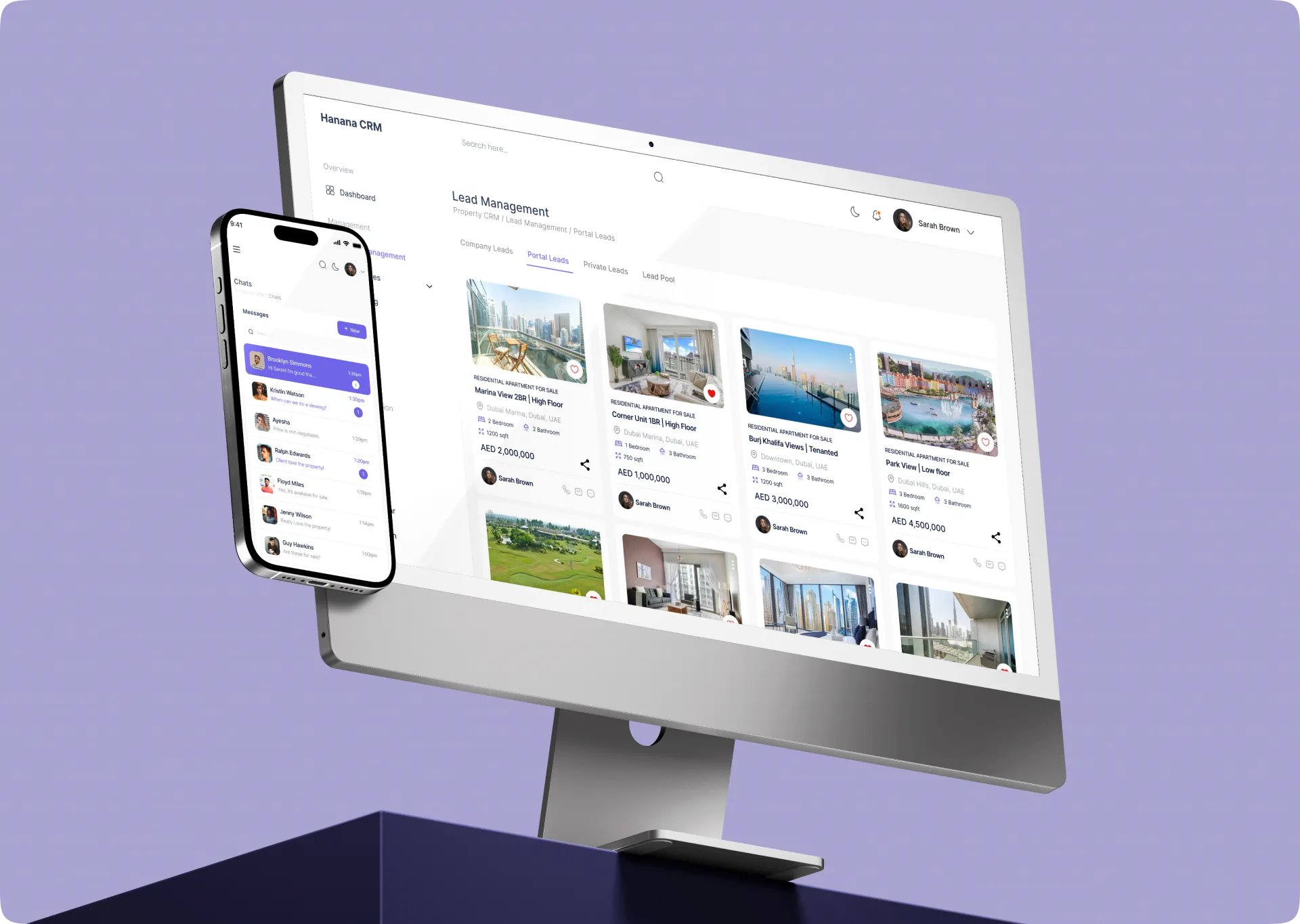
Building SaaS is more than writing code. You need the right architecture for multi-tenancy and security, frictionless onboarding, pricing and billing that support growth, and product analytics to know what to build next.
Our SaaS squads combine product managers, designers, full-stack engineers, DevOps and QA, so you get one accountable team from discovery to scale.
What we offer
SaaS development services
SaaS product discovery
Market and competitor analysis, feature prioritisation, pricing strategy and a lean roadmap to product-market fit.
Multi-tenant architecture
Secure tenant isolation, role-based access, SSO and audit logs designed to scale to thousands of customers.
Subscriptions & billing
Stripe, Paddle or Chargebee integration with plans, trials, usage-based billing, invoices and dunning.
AI-powered features
Copilots, smart search, summarisation and automation that differentiate your product and justify premium tiers.
Admin, analytics & dashboards
Customer and admin portals, product analytics and reporting your users and team rely on.
Legacy to SaaS modernisation
Turn on-premise or single-tenant software into a modern cloud SaaS with minimal disruption.
Trusted by startups, scale-ups and global brands











How we work
A proven process from idea to impact
Discovery & consultation
We dig into your goals, users and constraints, then turn them into a clear scope, success metrics and a delivery roadmap.
Planning & architecture
We choose the right stack, design the system architecture and plan sprints so cost, timeline and risk are visible from day one.
Design & prototyping
Wireframes, UI design and clickable prototypes validated with real users before a line of production code is written.
Agile development
Two-week sprints with demos, AI-assisted engineering and code reviews. You see working software every sprint.
QA, security & launch
Manual and automated testing, security checks and performance tuning, then a smooth release to the cloud and app stores.
Growth & support
Monitoring, maintenance, analytics and continuous improvement so the product keeps getting better after launch.
Why AIM Digital
Why choose AIM Digital for SaaS development?
Built to scale from day one
Cloud-native architecture that grows from 10 to 10,000 customers without a rewrite.
Speed to market
Reusable SaaS foundations (auth, billing, tenancy, admin) so your budget goes into features that differentiate.
Security & compliance ready
Practices aligned with SOC 2, GDPR and HIPAA requirements from the first sprint.
Product-minded engineers
We challenge assumptions and suggest the simplest path to revenue.
Technologies we use
- React
- Next.js
- TypeScript
- Node.js
- NestJS
- Python
- Django
- .NET
- PostgreSQL
- MongoDB
- Redis
- GraphQL
- Tailwind CSS
- Stripe
Pricing & timeline
How much does it cost to build a SaaS product in 2027?
Typical budgets and timelines with our senior team at $25–$40 per hour, including design, development, QA and project management.
| Scope | Timeline | Typical cost |
|---|---|---|
| SaaS MVPSign-up, core workflow, subscription billing, admin panel | 10–16 weeks | $18,000–$28,000 |
| Full-featured SaaS v1Team accounts, roles, integrations, analytics, onboarding | 4–7 months | $30,000–$63,000 |
| Enterprise-ready SaaSSSO, audit logs, multi-region, SOC 2 readiness work | 6–12 months | $63,000–$100,000 |
Every project is quoted individually after a free call. Get an instant estimate or ask for a fixed quote.
Ready to start your SaaS development project?
Get a free consultation and a clear plan in 30 minutes.
Engagement models
Choose the partnership model that fits your project
Flexible models that match your goals, timeline and budget. Switch as your needs change.
Project-based delivery
Fixed scope, fixed timeline. We own delivery end to end, from discovery to launch. Best for well-defined products and MVPs.
- Fixed price & milestones
- Dedicated project manager
- Weekly demos and reports
Dedicated product team
A cross-functional squad (PM, designers, engineers, QA) that works as an extension of your company on an evolving roadmap.
- Scale up or down monthly
- Full-time, focused team
- Your process, our talent
Staff augmentation
Add pre-vetted developers, AI engineers, QA or DevOps experts to your in-house team in days, not months.
- Start in 1–2 weeks
- Interview every candidate
- Replace anytime
Client reviews
Global client reviews that speak volumes
FAQ
Frequently asked questions
Can't find your answer? Ask our team.
How much does it cost to build a SaaS product?
A SaaS MVP with sign-up, a core workflow, subscription billing and an admin panel typically costs $18,000–$28,000. A full-featured v1 with team accounts, integrations, analytics and roles usually costs $30,000–$63,000, and enterprise-ready platforms with SSO, audit logs and compliance work more. These ranges use our rate of $25–$40 per hour.
How long does it take to build a SaaS application?
A SaaS MVP typically takes 10–16 weeks from discovery to launch. A full-featured v1 with billing, admin, integrations and analytics usually takes 4–8 months, delivered in phases so you can sign up paying customers early and let their feedback shape the rest of the roadmap.
What is the best tech stack for a SaaS startup?
Our default is Next.js and TypeScript, a Node.js (NestJS) or Python (FastAPI or Django) back end, PostgreSQL, Redis and Stripe, hosted on AWS or Google Cloud. For a very fast MVP, Supabase or Firebase can replace much of the back end. Choose .NET if your buyers are Microsoft-heavy enterprises or your team already knows it.
What features does a SaaS MVP actually need?
Sign-up and login, the one core workflow customers will pay for, subscription billing, basic team or account settings, an admin panel for your staff, transactional email and product analytics. Leave SSO, granular permissions, public APIs and white-labelling for later unless your first customers require them to buy.
Should my SaaS be single-tenant or multi-tenant?
Multi-tenant is the right default: one application and database serving all customers, with tenant isolation enforced in code and through PostgreSQL row-level security. It is cheaper to run and easier to update. Offer a dedicated database or deployment per customer only when large or regulated customers require it, and charge for it.
How do you handle subscription billing for SaaS?
We integrate Stripe, Paddle or Chargebee with plans, free trials, seat-based or usage-based pricing, coupons, invoices and failed-payment recovery. Paddle is worth considering if you sell globally and want it to handle sales tax and VAT as merchant of record. Billing is tied to feature access, so plan changes take effect immediately.
Can you make our SaaS SOC 2 ready?
Yes. We build the controls SOC 2 auditors look for from the first sprint: role-based access, SSO, audit logs, encryption, backups, infrastructure as code, peer-reviewed changes and monitoring, and we help assemble the evidence. The SOC 2 report itself is issued by an independent audit firm; our job is to make your product and processes ready for it.
Can you build a GDPR- or HIPAA-compliant SaaS platform?
Yes. For GDPR we design for data minimisation, consent, data export and deletion, and EU hosting where needed. For HIPAA we use encryption, access controls, audit trails and cloud services covered by a business associate agreement. We document the controls so your compliance team and customers' security reviews have what they need.
How can we add AI features to our SaaS product?
Start with AI that saves your users time inside a workflow they already do: summarising records, drafting replies, smart search, data extraction or a copilot that answers questions about their account. We build these with model-agnostic APIs, per-tenant data isolation and usage limits, so AI can become a premium tier rather than an uncontrolled cost.
What does it cost to host and run a SaaS product each month?
At MVP scale, hosting and third-party services usually cost around $50–$300 a month, growing with customers and data. Add email, monitoring, error tracking and any AI usage. A well-designed multi-tenant architecture keeps infrastructure cost a small share of revenue as you grow.
Can you take over an existing SaaS codebase?
Yes. We start with a technical audit covering architecture, security, performance, test coverage and cloud costs, then fix the urgent risks before extending the product. Takeovers include a structured handover from the previous team where possible, and you keep full ownership of the code throughout.
Will our SaaS code pass investor technical due diligence?
That is the standard we build to: clean architecture, documented decisions, automated tests, CI/CD, infrastructure as code and security basics such as secrets management and access control. You own 100% of the IP and the code sits in your repositories, which is usually the first thing investors check.
Should I hire an in-house team or outsource SaaS development?
Outsourcing gets an experienced, cross-functional team (product, design, engineering, QA, DevOps) working within weeks, which suits founders who need to launch before hiring. A dedicated engineer costs $4,000–$6,500 per month. Many SaaS companies outsource the first versions, then hire in-house leaders who work alongside our team.
Related services
MVP Development for Startups
Launch a market-ready MVP in weeks, validate fast and raise with confidence.
Learn moreAI Agents & Automation
Autonomous AI agents, copilots and workflow automation that handle real work across your tools.
Learn moreDevOps & Cloud
CI/CD, infrastructure as code, Kubernetes and cloud cost optimisation.
Learn moreInsights
Related articles from our engineers
Guides·8 min read
How Much Does SaaS Development Cost in 2027?
How much it costs to build a SaaS in 2027: prices for an MVP, a full v1 and an enterprise-ready platform, cost drivers, monthly running costs and how to save.
Guides·9 min read
How to Choose the Right Tech Stack for Your MVP in 2027
The best MVP tech stack in 2027 by product type: web, mobile, marketplace, AI and IoT. Flutter vs React Native, Firebase vs custom backend, mistakes to avoid.
Guides·2 min read
How Much Does MVP Development Cost in 2027?
MVP development cost in 2027 by type: prototype, lean MVP, and MVP with payments or AI. What drives the price, realistic timelines and how to spend less.
Explore more about SaaS development
Industries we build for
Hire & pricing
Global delivery
SaaS Development for clients worldwide
Delivered from our Islamabad head office for companies across North America, Europe, the Gulf and Asia-Pacific.
North America
Middle East
South Asia
Free consultation
Let's talk about your SaaS development project
Tell us about your project and get a free 30-minute consultation with a senior engineer. You'll leave with clear next steps, whether you work with us or not.
- Reply within one business day
- NDA on request, 100% IP ownership
- Clear scope, timeline and estimate
- Talk directly to senior engineers